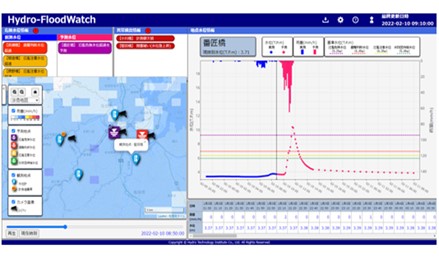
Early warning system for flood using AI water level prediction
  • Hybrid forecasting that combines AI technology and physical models
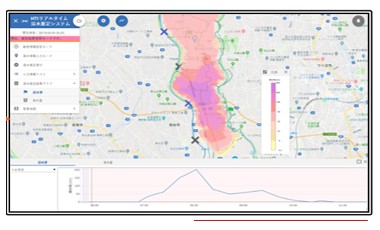
  • Real-time inundation estimation system (Applying technology researched by Professor Sayama of the Disaster Prevention Research Institute, Kyoto University)
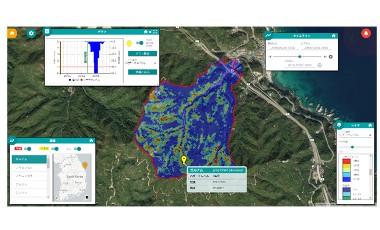
  • Real-time forecasting system that enables early warning of landslide risk
  • Rain gauge digital signage for elementary schools (Joint development with Professor Miyata of Disaster Prevention Research Institute, Kyoto University)
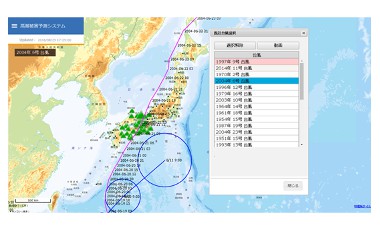
  • One week wave forecasting system using AI【Hydro-WaveCatch】
  • Demonstration project of “Inflow forecasting at water treatment center using AI”
  • Management of observation data and sharing of disaster prevention information
  • Damage forecasting/Supply and demand estimation
  • Disaster prevention data interface
Exploration Services - With IMG and TextBox

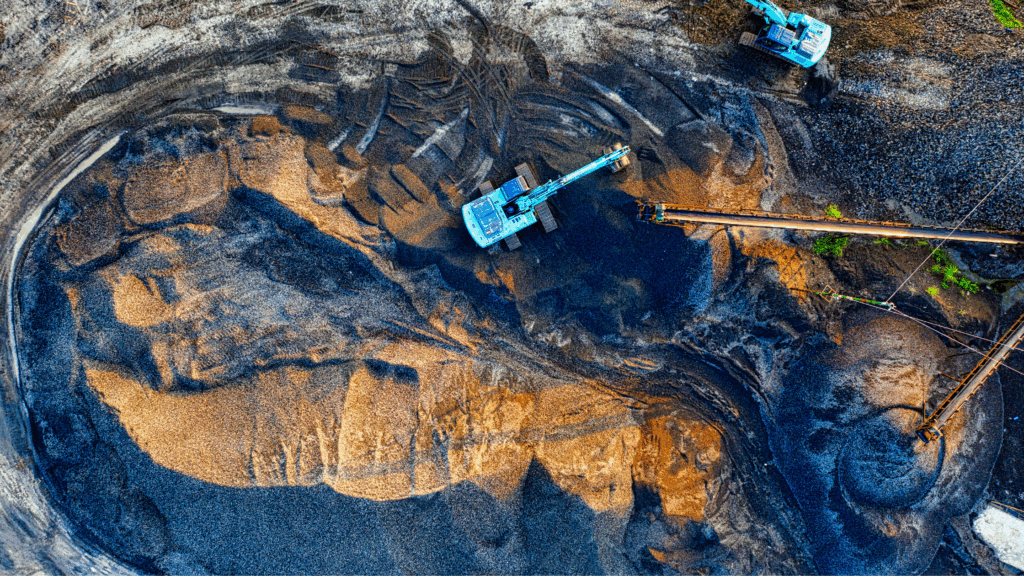
We utilize cutting-edge technology and multidisciplinary expertise to locate and assess water resources efficiently.

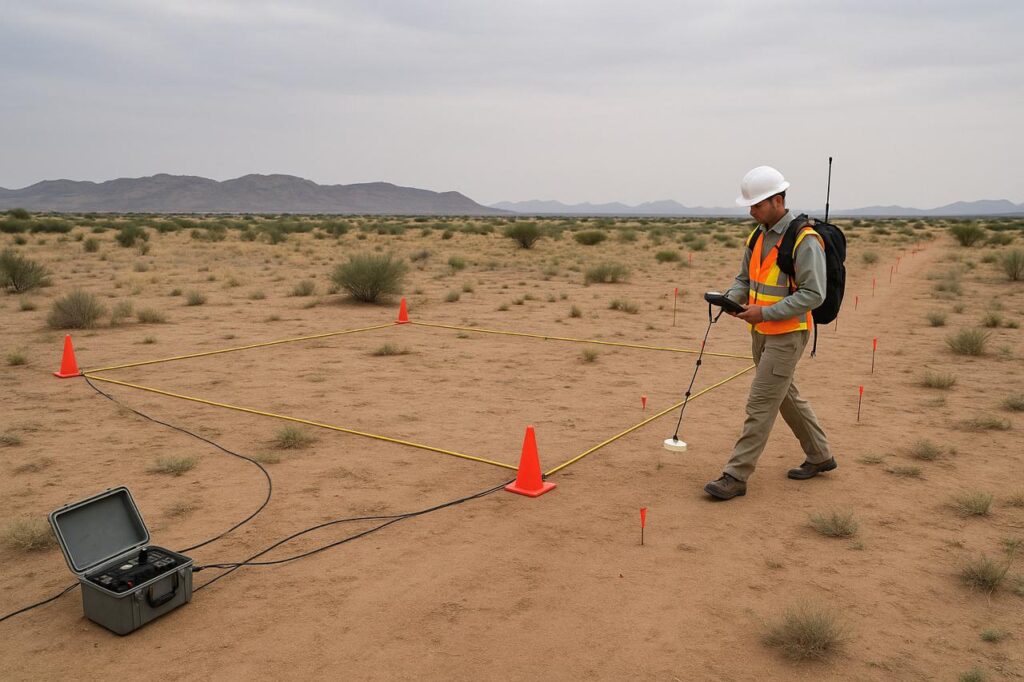
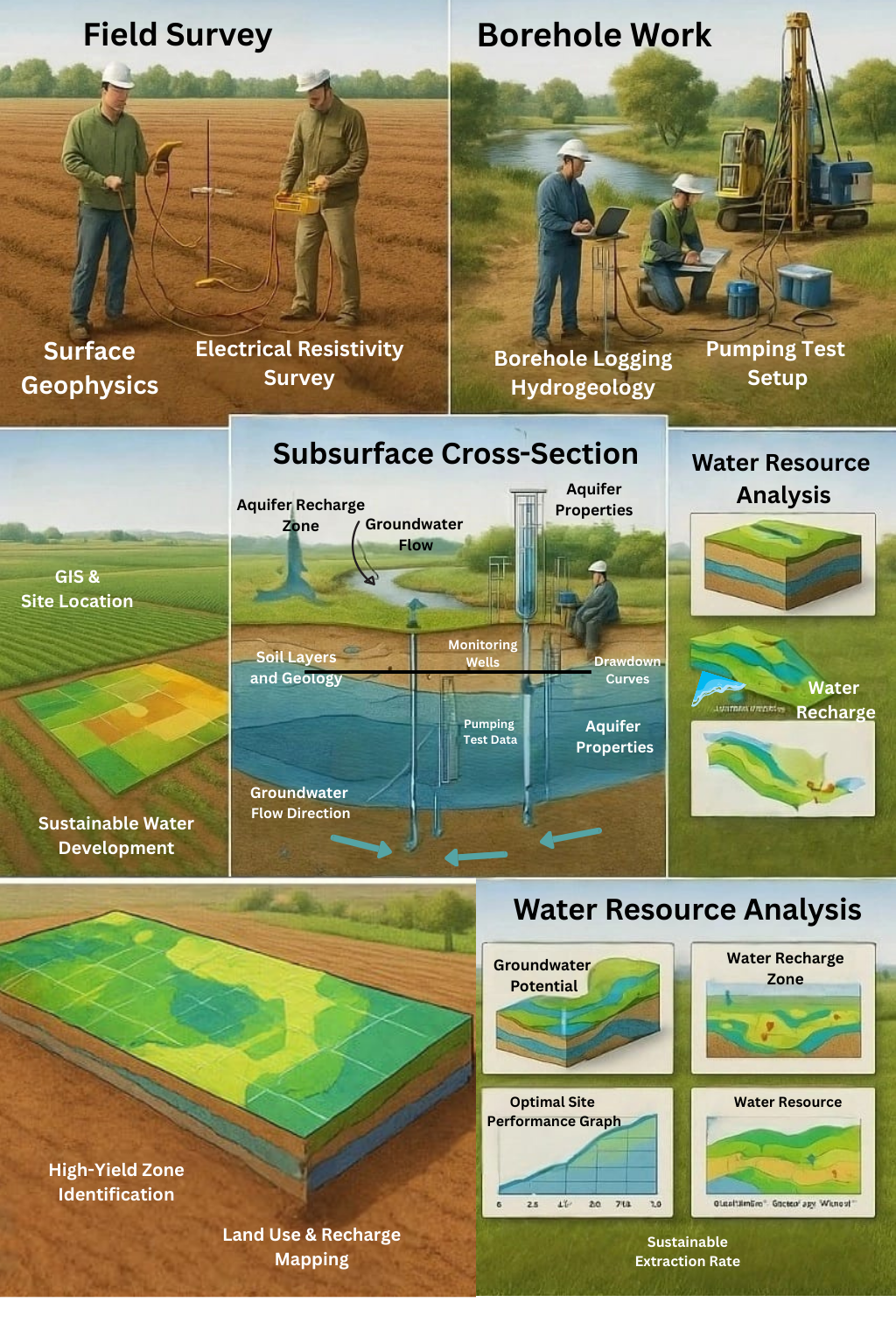
  • Surface Geophysics & Borehole Geophysical Surveys
    Using electrical resistivity, seismic refraction, and electromagnetic techniques, we map subsurface structures to identify potential aquifers. Borehole logging further characterizes rock formations and water-bearing zones.
  • Hydrogeological & Hydrological Investigations
    We assess groundwater flow patterns, recharge rates, and surface water interactions through field studies, pumping tests, and watershed analysis to ensure sustainable extraction.
  • GIS-Based Analysis & Remote Sensing Interpretation
    Spatial data integration helps identify water sources, land use impacts, and recharge zones. Satellite imagery and drone surveys support large-scale hydrological assessments.
  • Groundwater Potential & Aquifer Recharge Mapping
    By analyzing rainfall, soil permeability, and geological data, we pinpoint high-yield zones and design artificial recharge strategies to enhance water security.
  • Site Selection for Sustainable Water Development
    Our evaluations consider environmental, social, and technical factors to recommend optimal locations for wells, dams, or infiltration systems.

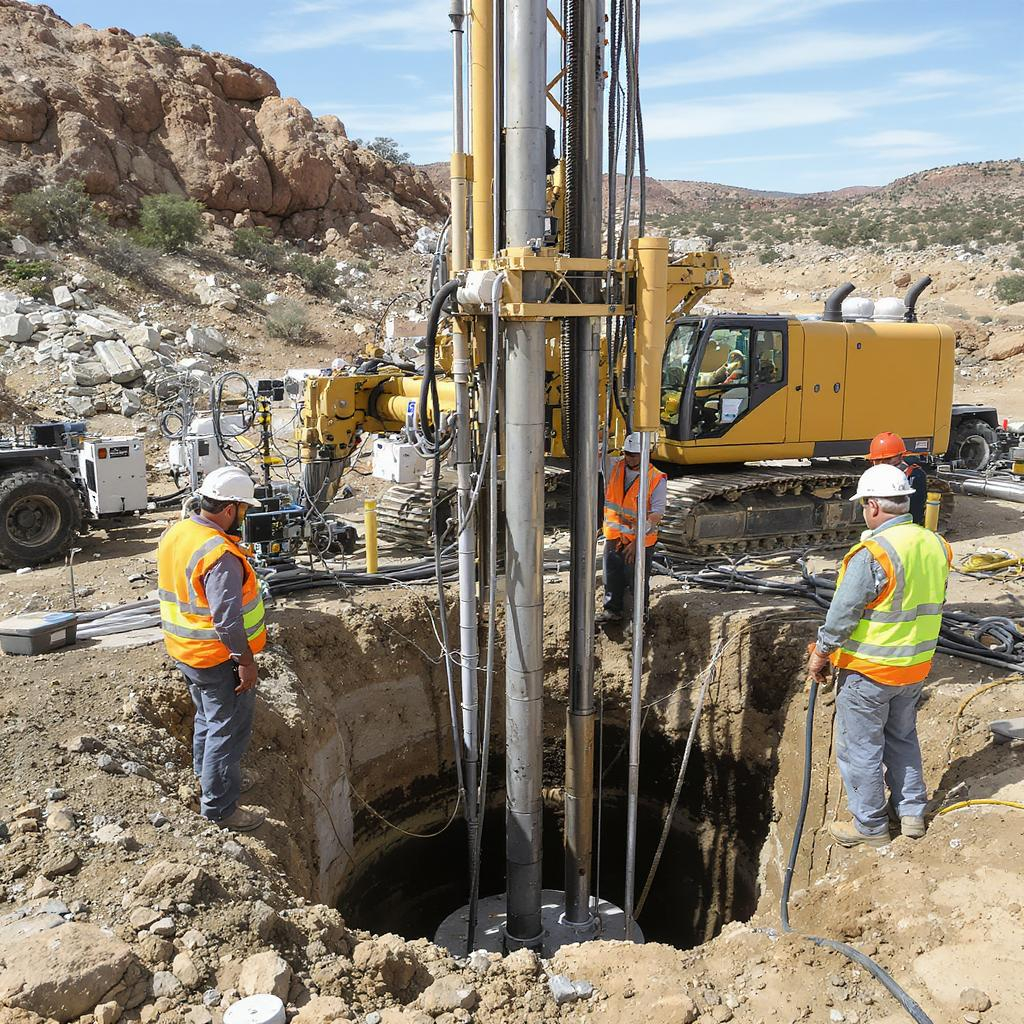
We ensure wells are expertly designed, constructed, and tested for long-term performance.
  • Groundwater Well Design & Specification
    Custom designs for depth, casing, and screen placement based on aquifer properties, preventing contamination and optimizing yield.
  • Drilling Supervision & Contractor Oversight
    On-site experts monitor drilling operations, ensuring adherence to technical standards, safety protocols, and environmental regulations.
  • Pumping Tests for Aquifer Performance
    Constant-rate and variable-rate tests measure sustainable yield, drawdown effects, and hydraulic conductivity to size wells appropriately.
  • Step-Drawdown & Recovery Test Analysis
    Evaluates well efficiency and identifies losses due to turbulence or clogging, guiding rehabilitation efforts.
  • Downhole Video Inspection & Well Logging
    High-resolution cameras and sensors detect structural damage, biofouling, or sedimentation, informing maintenance needs.

Data-driven strategies for safeguarding water resources over time.
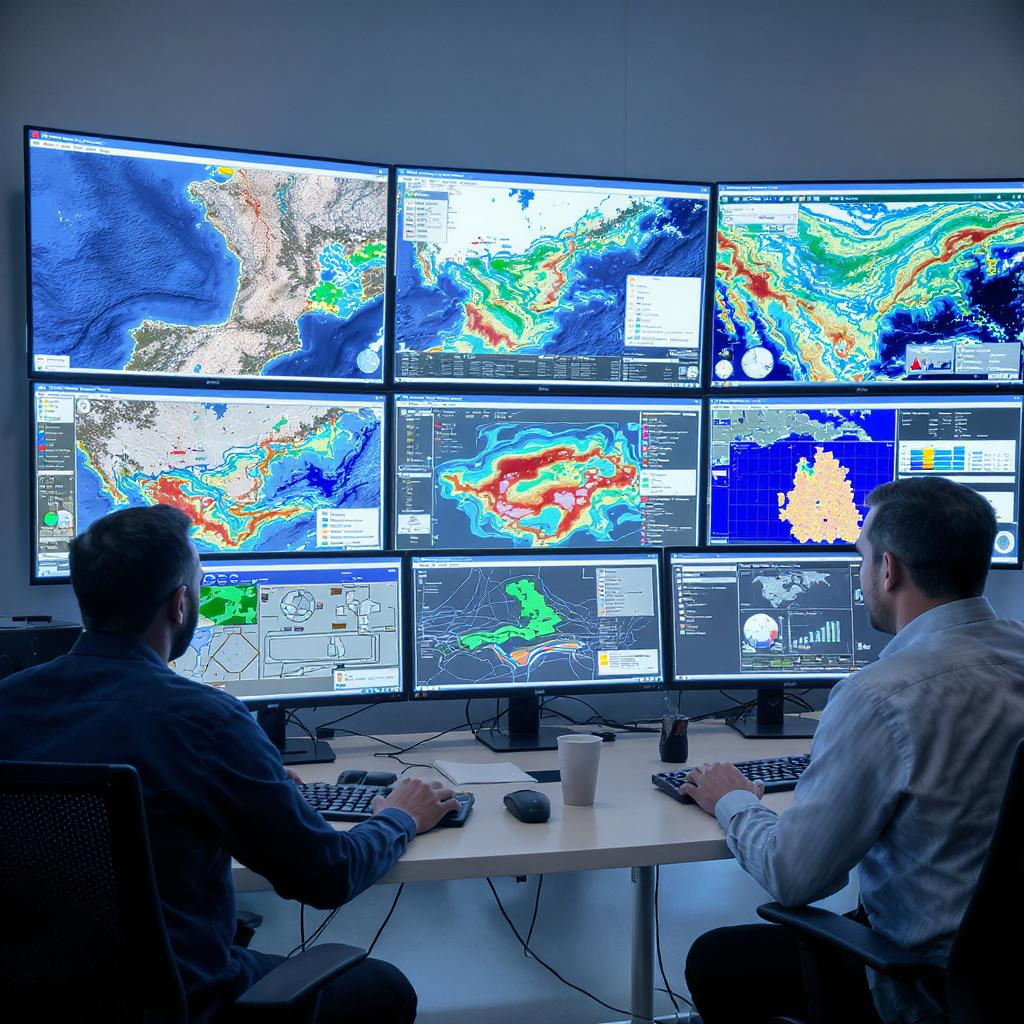
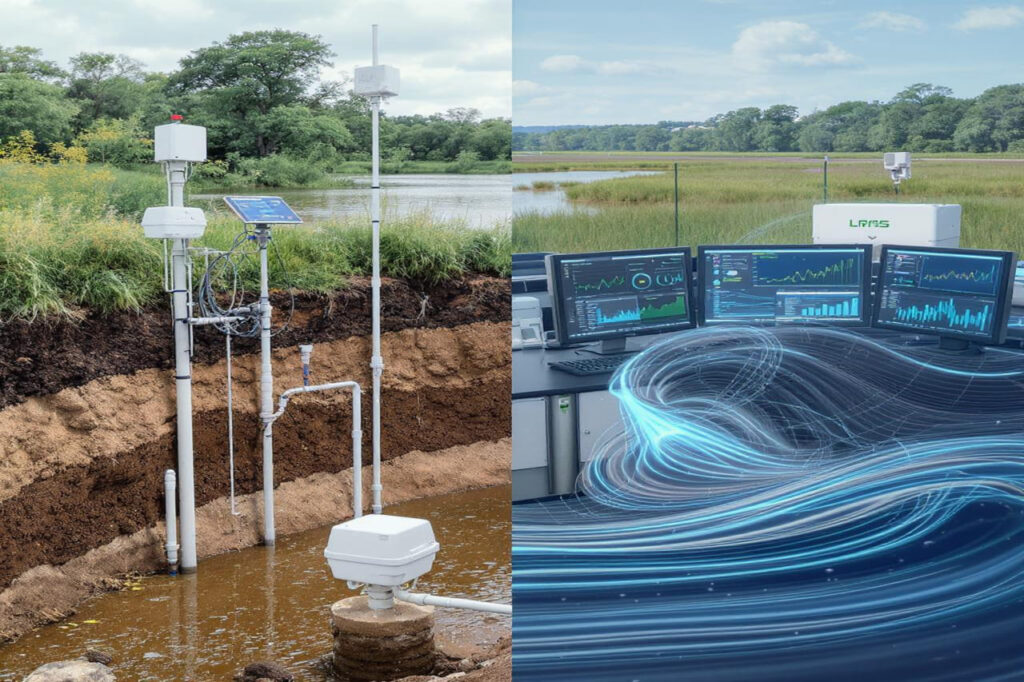
  • Groundwater & Surface Water Level Monitoring
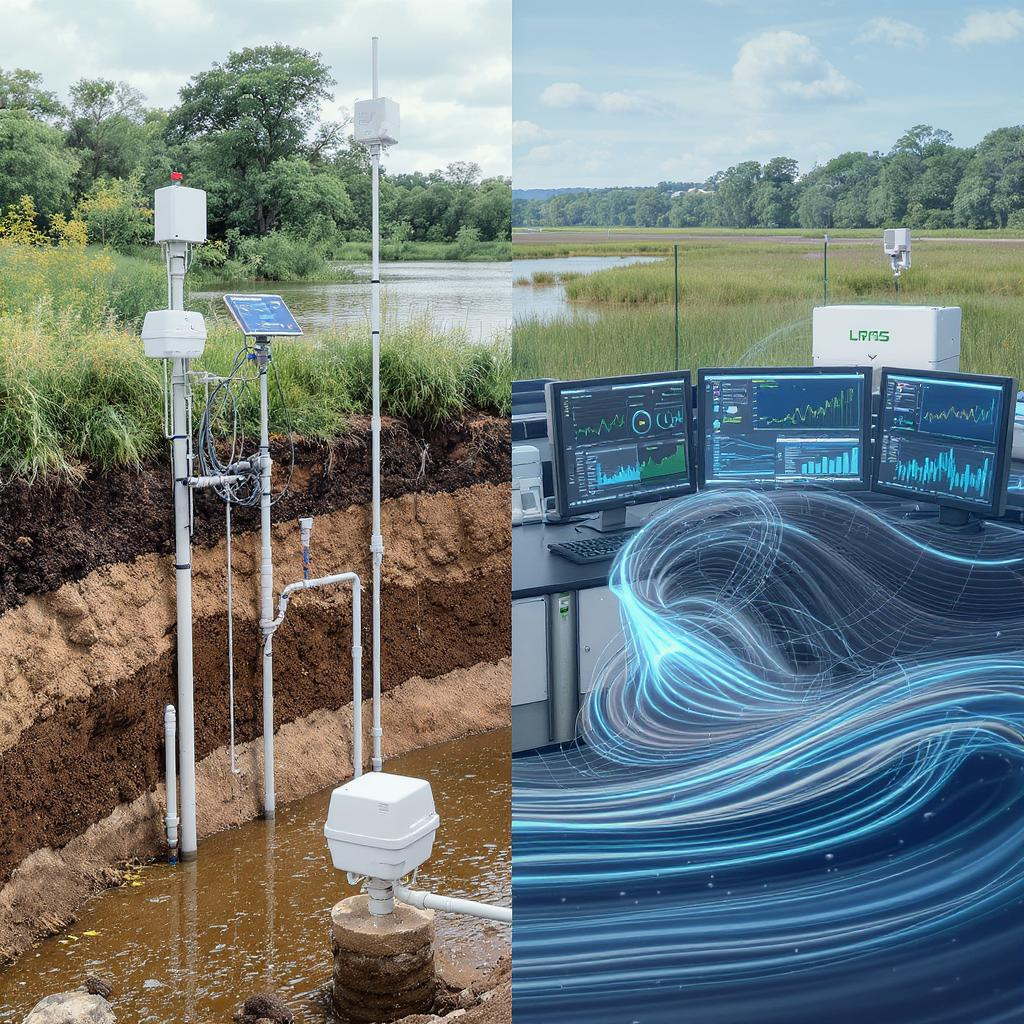
    Automated sensors track seasonal fluctuations, over-extraction risks, and drought impacts for adaptive management.
  • Quantity & Quality Assessment
    Comprehensive testing for contaminants (nitrates, heavy metals), salinity, and microbiological hazards ensures safe usage.
  • Long-Term Hydrological Monitoring Systems
    Permanent installations provide continuous data on rainfall, evaporation, and flow rates to detect trends.
  • Real-Time Data Integration & Dashboard Setup
    Cloud-based platforms visualize sensor data, enabling instant alerts and informed decision-making for stakeholders.

Advanced simulations to optimize planning and mitigate threats.
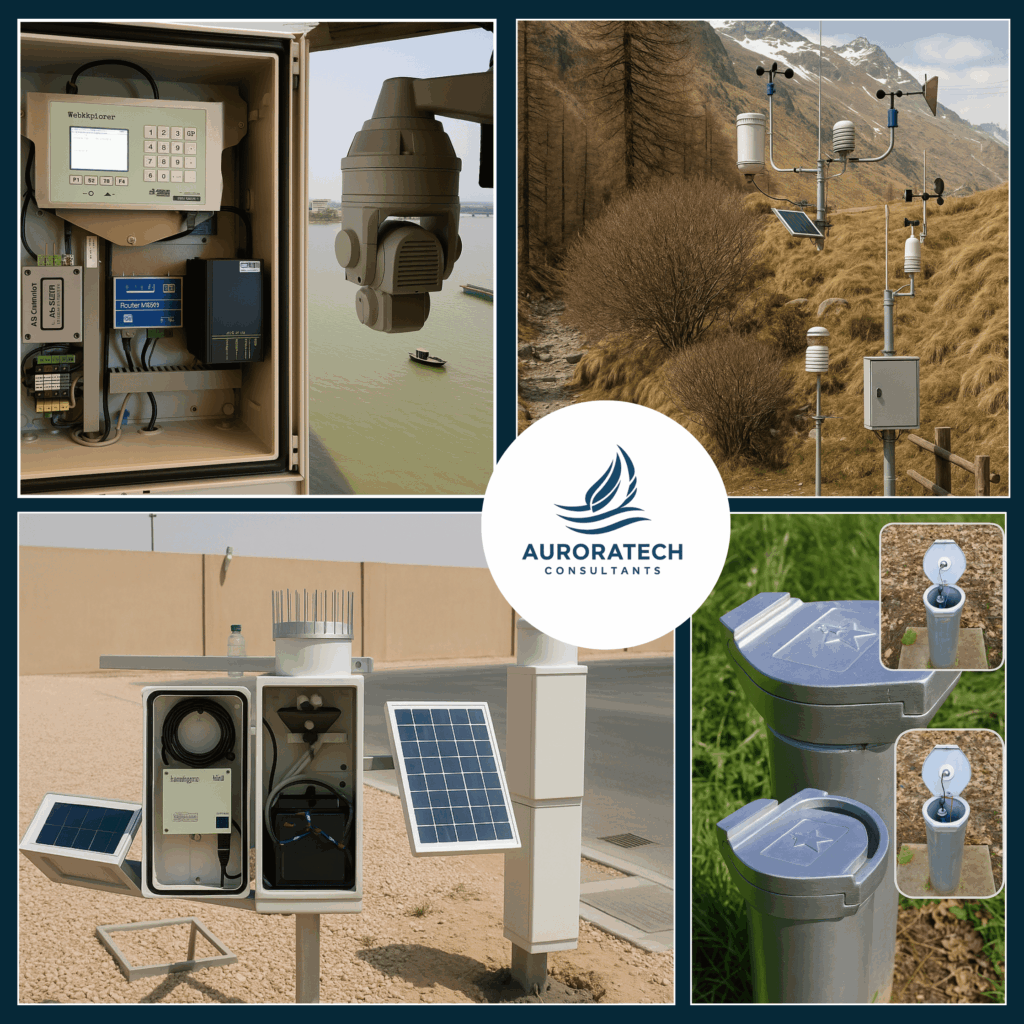
  • Groundwater & Surface Water Flow Modeling
    Predicts impacts of extraction, land-use changes, or climate shifts using MODFLOW, FEFLOW, or MIKE SHE software.
  • Aquifer Storage & Recovery (ASR) Feasibility Simulations
    Tests artificial recharge viability, including injection rates, water quality interactions, and storage capacity.
  • Flood Hazard Mapping & Predictive Modeling
    Identifies high-risk zones using historical data and climate projections, supporting infrastructure resilience.
  • Water Balance Studies & Climate Resilience Planning
    Quantifies supply/demand gaps under drought scenarios and designs adaptation strategies (e.g., rainwater harvesting).
  • Offshore Fresh Groundwater Modeling
    Assesses submarine freshwater reserves for coastal or island communities facing saltwater intrusion.
Exploration Services - With MEA IMG Box
We utilize cutting-edge technology and multidisciplinary expertise to locate and assess water resources efficiently.
  • Surface Geophysics & Borehole Geophysical Surveys Using electrical resistivity, seismic refraction, and electromagnetic techniques, we map subsurface structures to identify potential aquifers. Borehole logging further characterizes rock formations and water-bearing zones.
  • Hydrogeological & Hydrological Investigations We assess groundwater flow patterns, recharge rates, and surface water interactions through field studies, pumping tests, and watershed analysis to ensure sustainable extraction.
  • GIS-Based Analysis & Remote Sensing Interpretation Spatial data integration helps identify water sources, land use impacts, and recharge zones. Satellite imagery and drone surveys support large-scale hydrological assessments.
  • Groundwater Potential & Aquifer Recharge Mapping By analyzing rainfall, soil permeability, and geological data, we pinpoint high-yield zones and design artificial recharge strategies to enhance water security.
  • Site Selection for Sustainable Water Development Our evaluations consider environmental, social, and technical factors to recommend optimal locations for wells, dams, or infiltration systems.

We utilize cutting-edge technology and multidisciplinary expertise to locate and assess water resources efficiently.

  • Surface Geophysics & Borehole Geophysical Surveys
    Using electrical resistivity, seismic refraction, and electromagnetic techniques, we map subsurface structures to identify potential aquifers. Borehole logging further characterizes rock formations and water-bearing zones.
  • Hydrogeological & Hydrological Investigations
    We assess groundwater flow patterns, recharge rates, and surface water interactions through field studies, pumping tests, and watershed analysis to ensure sustainable extraction.
  • GIS-Based Analysis & Remote Sensing Interpretation
    Spatial data integration helps identify water sources, land use impacts, and recharge zones. Satellite imagery and drone surveys support large-scale hydrological assessments.
  • Groundwater Potential & Aquifer Recharge Mapping
    By analyzing rainfall, soil permeability, and geological data, we pinpoint high-yield zones and design artificial recharge strategies to enhance water security.
  • Site Selection for Sustainable Water Development
    Our evaluations consider environmental, social, and technical factors to recommend optimal locations for wells, dams, or infiltration systems.

We ensure wells are expertly designed, constructed, and tested for long-term performance.

  • Groundwater Well Design & Specification
    Custom designs for depth, casing, and screen placement based on aquifer properties, preventing contamination and optimizing yield.
  • Drilling Supervision & Contractor Oversight
    On-site experts monitor drilling operations, ensuring adherence to technical standards, safety protocols, and environmental regulations.
  • Pumping Tests for Aquifer Performance
    Constant-rate and variable-rate tests measure sustainable yield, drawdown effects, and hydraulic conductivity to size wells appropriately.
  • Step-Drawdown & Recovery Test Analysis
    Evaluates well efficiency and identifies losses due to turbulence or clogging, guiding rehabilitation efforts.
  • Downhole Video Inspection & Well Logging
    High-resolution cameras and sensors detect structural damage, biofouling, or sedimentation, informing maintenance needs.

Data-driven strategies for safeguarding water resources over time.

  • Groundwater & Surface Water Level Monitoring
    Automated sensors track seasonal fluctuations, over-extraction risks, and drought impacts for adaptive management.
  • Quantity & Quality Assessment
    Comprehensive testing for contaminants (nitrates, heavy metals), salinity, and microbiological hazards ensures safe usage.
  • Long-Term Hydrological Monitoring Systems
    Permanent installations provide continuous data on rainfall, evaporation, and flow rates to detect trends.
  • Real-Time Data Integration & Dashboard Setup
    Cloud-based platforms visualize sensor data, enabling instant alerts and informed decision-making for stakeholders.

Advanced simulations to optimize planning and mitigate threats.
  • Groundwater & Surface Water Flow Modeling
    Predicts impacts of extraction, land-use changes, or climate shifts using MODFLOW, FEFLOW, or MIKE SHE software.
  • Aquifer Storage & Recovery (ASR) Feasibility Simulations
    Tests artificial recharge viability, including injection rates, water quality interactions, and storage capacity.
  • Flood Hazard Mapping & Predictive Modeling
    Identifies high-risk zones using historical data and climate projections, supporting infrastructure resilience.
  • Water Balance Studies & Climate Resilience Planning
    Quantifies supply/demand gaps under drought scenarios and designs adaptation strategies (e.g., rainwater harvesting).
  • Offshore Fresh Groundwater Modeling
    Assesses submarine freshwater reserves for coastal or island communities facing saltwater intrusion.

Comprehensive Monitoring Solutions – From Concept to Insights Roadmap Steps:

  • Site assessment and monitoring network design
  • Technology selection based on project needs
  • Procurement of state-of-the-art instruments
  • On-site installation and commissioning
  • Routine and on-demand equipment calibration
  • Verification to meet international standards
  • Routine and on-demand equipment calibration
  • Verification to meet international standards
  • Processing of raw data into actionable insights
  • Trend analysis, modelling, and forecasting
  • Integration into client systems, dashboards, or SCADA
  • Customized reporting for decision makers

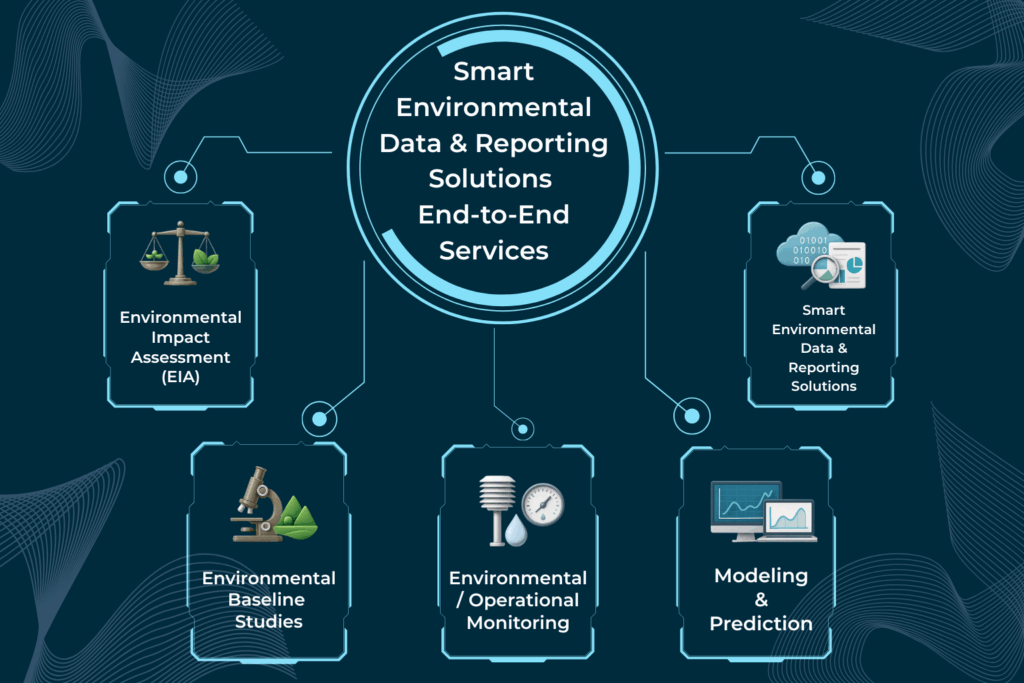
Smart Environmental Data & Reporting Solutions - End-to-End Services

  • Compliance with national and international regulations
  • Identification of potential environmental risks and mitigation measures
  • Field surveys for air, water, soil, biodiversity, and noise
  • Establishing reference conditions before project development
  • Ongoing measurement of environmental parameters during construction and operation
  • Compliance tracking and early detection of impacts
  • Simulation of future environmental scenarios
  • Support for decision-making and mitigation planning
  • Integration of monitoring data into centralized platforms
  • Interactive dashboards, GIS visualization, and automated alerts
  • Customized reports for regulatory compliance and stakeholder communication

Hydrogeological & Geological Assessments

  • Groundwater Potential & Recharge Zones: Evaluates aquifer storage capacity, recharge rates, and sustainable yield using field data and GIS mapping.
  • Aquifer Testing (Slug/Pumping): Determines hydraulic conductivity, storativity, and well yield via field tests (e.g., constant-rate pumping tests).
  • Isotopic & Hydrochemical Tracing: Identifies water sources, flow paths, and contamination risks using stable isotopes (δ¹⁸O, δ²H) and ion analysis.

Geophysics & Borehole Logging

  • TEM/ERT/TDEM/Resistivity/Magnetic/MT/AMT: Maps subsurface structures, detects water-bearing zones, and identifies mineral deposits.
  • Borehole Logging (Conventional/Imaging/NMR): Analyzes lithology, fractures, and porosity using tools like optical televiewers or nuclear magnetic resonance.

Climate & Hydrological Modeling

  • Predicts long-term water availability using rainfall-runoff models (e.g., SWAT) and climate projections to assess drought/flood risks.

Water Resources & Quality Baselines

  • Establishes pre-mining water quality (pH, metals, organics) and seasonal variability through multi-year monitoring.

Digital & Smart Monitoring

  • Deploys IoT sensors for real-time groundwater levels/drones for LiDAR-based terrain mapping and thermal imaging.

Environmental & Regulatory Compliance

  • Conducts Baseline ESIA (Environmental and Social Impact Assessment) and aligns with local water policies (e.g., IFC Performance Standards).

Mine Water Balance Modeling

  • Quantifies water inputs (rainfall, groundwater), outputs (evaporation, discharge), and recycling potential using tools like GoldSim.

Dewatering Systems Design

  • Simulates pit inflows, designs sumps/pumps, and assesses geotechnical risks (slope stability via PLAXIS).

Hydrological Impact Assessments

  • Models changes to surface runoff and groundwater flow (MODFLOW) to mitigate downstream effects.

Surface & Underground Drainage Solutions

  • Implements passive treatment (anoxic limestone drains) or active systems (reverse osmosis) for acid mine drainage (AMD).

Infrastructure & Water Storage Design

  • Designs tailings storage facilities (TSFs) with HDPE liners, flood diversion channels, and stormwater ponds.

Smart Monitoring Networks

  • Uses AI (e.g., neural networks) to predict seepage or equipment failures from sensor data.

Geochemical & Contaminant Risk Studies

  • Tests AMD potential via static (ABA) and kinetic (humidity cell) tests; models metal leaching (PHREEQC).

Operational Water Optimization

  • Recycles process water (thickener overflows) and controls pit dewatering rates to reduce freshwater demand.

Water Quality & Contamination Monitoring

  • AI/ML models (e.g., Random Forest) predict contaminant spikes (e.g., arsenic) from real-time sensor data.

Mine Wastewater Management

  • Installs cutoff walls or grout curtains to prevent seepage from tailings into aquifers.

Effluent Treatment & Discharge

  • Treats water to meet regulatory limits (e.g., <0.1 mg/L Cu) via chemical precipitation or electrocoagulation.

Cloud-Based Water Data Platforms

  • Centralizes data in platforms like AQUARIUS for compliance reporting and stakeholder dashboards.

Environmental & Social Risk Audits

  • Tracks community grievances (e.g., water access) and verifies compliance with ISO 14001.

Mine Water Closure Planning

  • Plans for pit lakes (e.g., backfilling vs. flooding) and long-term water balance stability.

Contaminant Transport Modeling

  • Forecasts metal/nutrient migration (FEFLOW) over 100+ years post-closure.

Landform & Drainage Reconfiguration

  • Reshapes slopes to mimic natural drainage and prevent erosion (using WEPP models).

Passive Water Treatment Systems

  • Builds constructed wetlands with cattails/reed beds to filter metals sustainably.

Post-Closure AI/ML Monitoring Tools

  • Satellite InSAR detects ground subsidence; AI flags leakage in real-time.

Geochemical Risk Assessment

  • Studies tailings-water interactions (e.g., sulfide oxidation rates) to prevent delayed AMD.

Long-Term Water Quality Monitoring

  • Combines automated sensors (e.g., YSI EXO2) with annual lab sampling for 30+ years.

Reclaimed Water Systems

  • Repurposes pit lakes for aquaculture or irrigation after treatment (e.g., phytoremediation).

Climate Resilience Modeling

  • Simulates impacts of extreme rainfall (RCP 8.5 scenarios) on site stability.

Audit & Compliance Reporting

  • Documents adherence to closure criteria (e.g., ICMM guidelines) for regulatory sign-off.

Digital Monitoring Integration

  • Satellite-GIS dashboards (e.g., ArcGIS Online) track vegetation recovery and water trends.

Site Screening & Feasibility Assessment

  • Geological Site Selection for Hydrogen Storage
    • Salt Caverns: Artificial cavities created by solution mining in salt domes/beds; high sealing capacity, low reactivity.
    • Depleted Gas Fields: Existing porous reservoirs with proven sealing caprocks; requires cushion gas (N₂/CH₄).
    • Porous Aquifers: Deep saline aquifers with suitable porosity/permeability; risk of microbial H₂ consumption.
    • Hard Rock Caverns: Engineered tunnels in granite/basalt; high construction costs but stable long-term.
  • Volumetric Storage Capacity Assessment
    • Hydrogen Column Height: Estimates storage volume based on reservoir thickness and porosity.
    • Energy Density: Compares H₂ (low energy density) to methane for equivalent energy storage.
    • Cushion Gas Volume: Determines required inert gas (N₂/CH₄) to maintain reservoir pressure during extraction.
  • GIS-Based Mapping of Storage Opportunities
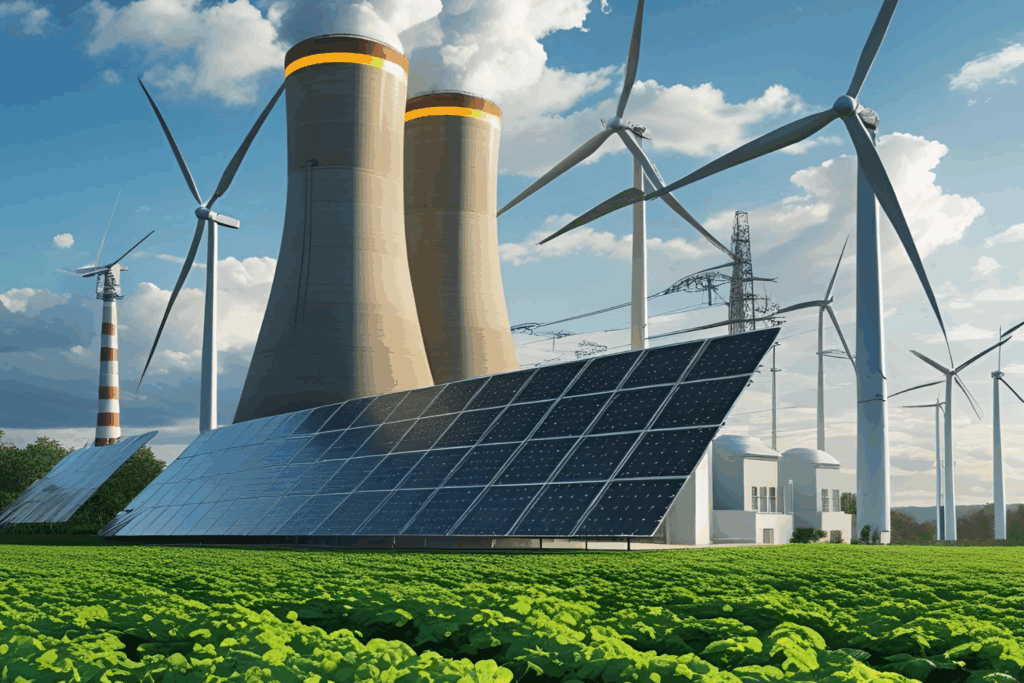
    • Uses EU Geological Data Platform (e.g., EGDI) to overlay H₂ storage sites with renewable energy hubs (offshore wind, solar farms).
  • Integration Planning with Existing Energy Infrastructure
    • Grid Balancing: Stores excess wind/solar power as H₂ via electrolysis.
    • Supply Chain Links: Proximity to pipelines, industrial H₂ users (ammonia/steel plants).

Subsurface Characterization & Modeling

  • Geophysical & Geomechanical Investigations
    • ERT/TEM/Seismic: Maps faults, caprock integrity, and reservoir geometry.
    • Gravity Surveys: Detects density contrasts (e.g., salt domes vs. sedimentary rock).
  • Hydrogeological & Petrophysical Modeling
    • Porosity/Permeability: Core lab tests (helium porosimetry, pulse decay permeability).
    • Wettability & Capillary Pressure: Determines H₂ trapping vs. mobility in pore spaces.
  • Hydrogen Flow & Thermodynamic Modeling
    • Advection/Diffusion: Predicts H₂ migration using reservoir simulators (e.g., TOUGH2).
    • Thermal Effects: Evaluates heat exchange during injection/withdrawal cycles.
  • Geomechanical Risk Assessment
    • Fault Reactivation: Models stress changes from cyclic injection (FLAC3D).
    • Microseismicity: Monitors induced tremors via acoustic sensors.

Geochemistry & Microbiology Risk Analysis

  • Geochemical Compatibility Assessment
    • Mineral Reactions: H₂ reduces sulfates (pyrite → H₂S), dissolves carbonates (calcite).
    • Gas Composition: Tracks H₂ purity degradation due to microbial activity.
  • Well Cement & Casing Interaction Studies
    • Degradation Risk: H₂ embrittlement of steel casings; cement carbonation.
  • Microbial Impact Studies
    • H₂S Generation: Sulfate-reducing bacteria (SRB) metabolize H₂ → toxic H₂S.
    • Biofilm Clogging: Microbial growth reduces permeability.
  • Reservoir Reactivity Classification
    • Low-Risk Sites: Salt caverns (sterile, inert).
    • High-Risk Sites: Aquifers with organic-rich layers.

Design & Engineering Services

  • Hydrogen Cavern & Reservoir Design
    • Salt Cavern Leaching: Uses freshwater injection to dissolve salt, creating storage voids.
    • Aquifer Injection Wells: Screened completions to optimize H₂ flow.
  • Well Integrity Assurance
    • Casing Materials: H₂-resistant alloys (Inconel, duplex stainless steel).
    • Cementing: Epoxy resins to prevent H₂ leakage.
  • Surface Infrastructure Suitability
    • Material Compatibility: Avoids hydrogen embrittlement in pipelines/valves.

Monitoring & Risk Management

  • Advanced Monitoring Systems
    • Real-Time ERT: Tracks H₂ plume movement.
    • Microseismic Arrays: Detects fault slips.
  • Leakage Risk Assessment
    • Abandoned Wells: Cement plug integrity checks.
    • Fault Seals: Pressure monitoring across caprocks.
  • Microbial Community Monitoring
    • DNA Sequencing: Tracks SRB populations in groundwater.

Operational Support & Lifecycle Management

  • Injection/Withdrawal Optimization
    • Cyclic Pressure Management: Avoids geomechanical fatigue.
  • Cushion Gas Modeling
    • Cost-Benefit: N₂ (cheap) vs. CH₄ (energy recovery).
  • Post-Closure Surveillance
    • Satellite Monitoring: Detects surface deformations (InSAR).

Feasibility Studies

  • Strategic CCS Planning
    • CCS-EOR: Uses CO₂ for enhanced oil recovery (e.g., Permian Basin).
    • Lifecycle CO₂ Accounting: Tracks emissions from capture to storage.
  • Storage Screening
    • Saline Aquifers: High capacity but uncertain injectivity (e.g., Sleipner Field).
    • Depleted Fields: Proven seals but limited volume.
  • Volumetric Capacity Estimation
    • CO₂ Density: Supercritical (800 kg/m³ at >800m depth).

Subsurface Characterization

  • Reservoir Modeling
    • Static Models: Petrel/Eclipse for porosity/permeability distribution.
    • Caprock Integrity: Shale ductility prevents fractures.
  • Injection Simulation
    • Plume Migration: Predicts CO₂ spread over 100+ years (CMG-GEM).
  • Geomechanical Risks
    • Induced Seismicity: Models fault slip potential (GEOS).
  • Geochemical Studies
    • Mineral Trapping: CO₂ + calcite → dissolved ions → secondary minerals.
    • Cement Degradation: CO₂ acidifies wellbore cement → leaks.
  • Monitoring (MMV)
    • 4D Seismic: Time-lapse imaging of CO₂ plumes.
    • AI Leak Prediction: Machine learning on pressure/temperature data.

Resource Assessment

  • Geophysical Surveys: Magnetotellurics (MT) for deep heat sources.
  • Heat Flow Analysis: Estimates reservoir temperature gradients.

Resource Development

  • Directional Drilling: Targets fractured zones for high permeability.

Resource Management

  • Reinjection Strategies: Maintains reservoir pressure (e.g., Hellisheiði Plant).

Integrated Support

  • Lithium Co-Production: Extracts Li from geothermal brines (e.g., Salton Sea).