Innovating sustainable solutions through digitalization, automation, and AI-driven analytics for energy, water, and environmental sectors.
WATER SECTOR
Exploration Services
We utilize cutting-edge technology and multidisciplinary expertise to locate and assess water resources efficiently.
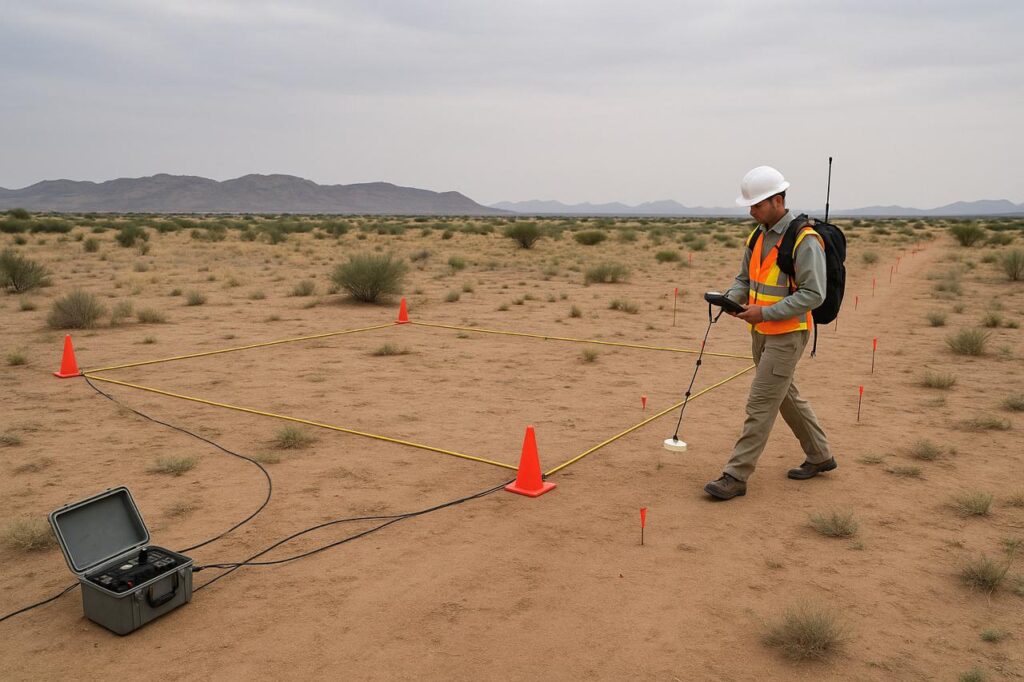
Surface Geophysics & Borehole Geophysical Surveys Using electrical resistivity, seismic refraction, and electromagnetic techniques, we map subsurface structures to identify potential aquifers. Borehole logging further characterizes rock formations and water-bearing zones.
Hydrogeological & Hydrological Investigations We assess groundwater flow patterns, recharge rates, and surface water interactions through field studies, pumping tests, and watershed analysis to ensure sustainable extraction.
GIS-Based Analysis & Remote Sensing Interpretation Spatial data integration helps identify water sources, land use impacts, and recharge zones. Satellite imagery and drone surveys support large-scale hydrological assessments.
Groundwater Potential & Aquifer Recharge Mapping By analyzing rainfall, soil permeability, and geological data, we pinpoint high-yield zones and design artificial recharge strategies to enhance water security.
Site Selection for Sustainable Water Development Our evaluations consider environmental, social, and technical factors to recommend optimal locations for wells, dams, or infiltration systems.
Drilling Supervision & Well Testing
We ensure wells are expertly designed, constructed, and tested for long-term performance.
Groundwater Well Design & Specification Custom designs for depth, casing, and screen placement based on aquifer properties, preventing contamination and optimizing yield.
Drilling Supervision & Contractor Oversight On-site experts monitor drilling operations, ensuring adherence to technical standards, safety protocols, and environmental regulations.
Pumping Tests for Aquifer Performance Constant-rate and variable-rate tests measure sustainable yield, drawdown effects, and hydraulic conductivity to size wells appropriately.
Step-Drawdown & Recovery Test Analysis Evaluates well efficiency and identifies losses due to turbulence or clogging, guiding rehabilitation efforts.
Downhole Video Inspection & Well Logging High-resolution cameras and sensors detect structural damage, biofouling, or sedimentation, informing maintenance needs.
Water Monitoring & Management Solutions
Data-driven strategies for safeguarding water resources over time.
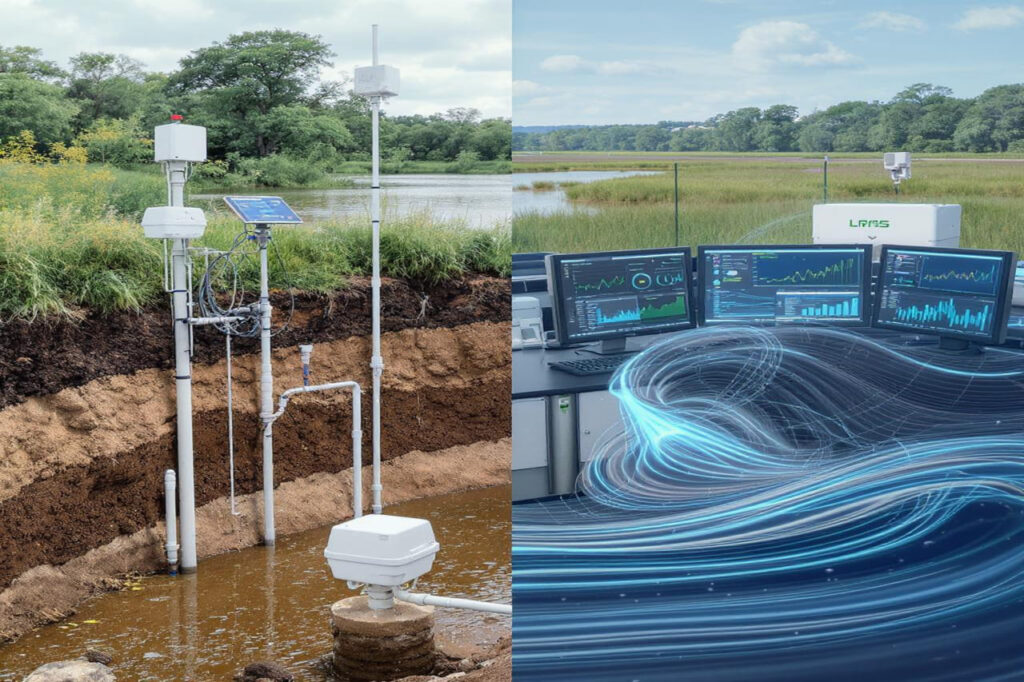
Groundwater & Surface Water Level Monitoring Automated sensors track seasonal fluctuations, over-extraction risks, and drought impacts for adaptive management.
Quantity & Quality Assessment Comprehensive testing for contaminants (nitrates, heavy metals), salinity, and microbiological hazards ensures safe usage.
Long-Term Hydrological Monitoring Systems Permanent installations provide continuous data on rainfall, evaporation, and flow rates to detect trends.
Real-Time Data Integration & Dashboard Setup Cloud-based platforms visualize sensor data, enabling instant alerts and informed decision-making for stakeholders.
Modeling & Risk Assessment for Water Security
Advanced simulations to optimize planning and mitigate threats.
Groundwater & Surface Water Flow Modeling Predicts impacts of extraction, land-use changes, or climate shifts using MODFLOW, FEFLOW, or MIKE SHE software.
Aquifer Storage & Recovery (ASR) Feasibility Simulations Tests artificial recharge viability, including injection rates, water quality interactions, and storage capacity.
Flood Hazard Mapping & Predictive Modeling Identifies high-risk zones using historical data and climate projections, supporting infrastructure resilience.
Water Balance Studies & Climate Resilience Planning Quantifies supply/demand gaps under drought scenarios and designs adaptation strategies (e.g., rainwater harvesting).
Offshore Fresh Groundwater Modeling Assesses submarine freshwater reserves for coastal or island communities facing saltwater intrusion.